Solutions - Site Feasibility & Hazard Screening
Audit‑grade physical risk analysis for individual assets. Explains the “why” behind risk using hazard‑specific diagnostics.
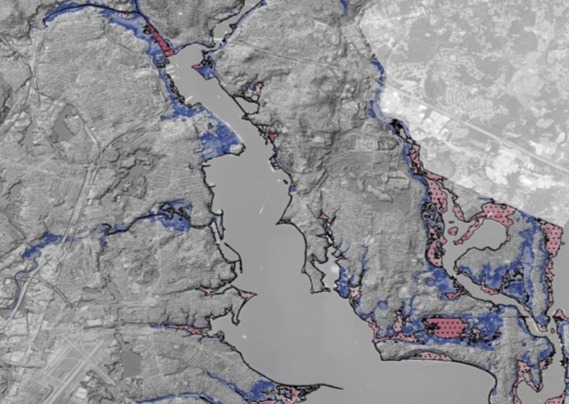
Understanding the physical risks to an individual asset requires more than a superficial glance at hazard maps; it demands high-fidelity, audit-grade analysis. Our Site Feasibility & Hazard Screening provides an empirical foundation for planning, due diligence, and site development. We deploy rigorous diagnostic modeling to unpack the complex drivers behind local hazards. We differentiate, for instance, between fluvial river floods and pluvial surface runoff, or simulate urban heat microclimates based on structural density. Beyond climate, we also cover geological risks like earthquakes, tsunamis and many others.
Rather than delivering just a generic risk score, which is just an entry-level, we can contextualize over 100 climate and geological risk indicators to explain the specific hazards of a site. The output is a transparent, scientifically validated screening package that includes mapped hazard layers, identified red flags, and traceability data. These analytics empower planners, developers, and asset managers to understand their physical risk exposure and provide immediate, grounded pointers for structural mitigation and resilience building.

Site screening with key hazards, drivers and red flags
Map pack / GIS layers for planning and due diligence
Mitigation pointers and data appendix for traceability
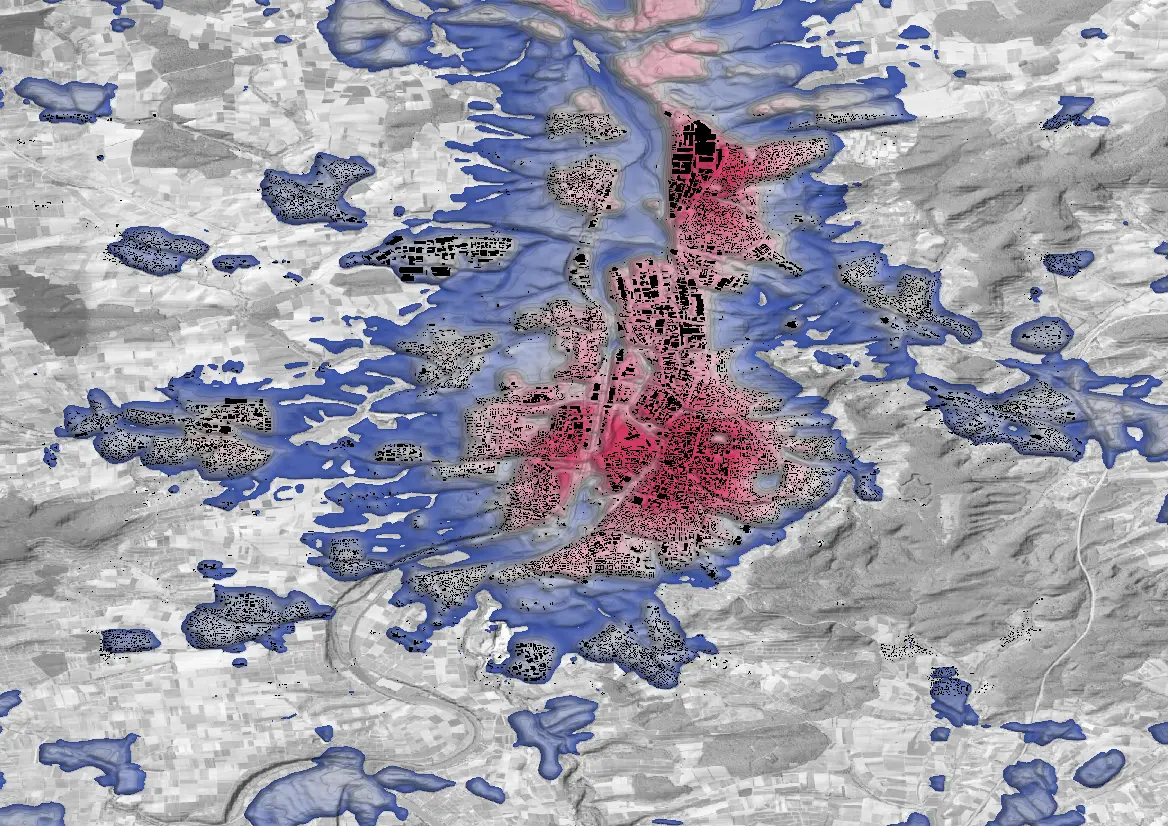
Urban heat stress is highly localized, yet traditional climate models often miss the critical nuances. Risklayer introduces a sophisticated, physics-based downscaling methodology that bridges this gap, transforming coarse regional climate data into precise high resolution maps. We integrate hourly temperature curves with empirical and numerical modelling, simulating cold air drainage and the heat-trapping effects of urban landscapes. By accounting for building heights, land use effects and vegetation cooling, we capture the interactions that drive microclimates at the street level.
This granular visibility is essential for robust Site Hazard and Risk Assessments. Whether for optimizing urban planning designs or conducting building-level vulnerability analytics, our model provides the data fidelity required for decision-making. It is particularly valuable for compliance with CSRD, enabling organizations to quantify physical climate risks based on site-specific reality rather than regional averages. Our system is designed to project these patterns onto future climate scenarios. This ensures that assessments made today account for the intensifying heat of tomorrow, providing a defensible foundation for adaptation strategies and long-term resilience planning.
lorem ipsum
lorem ipsum
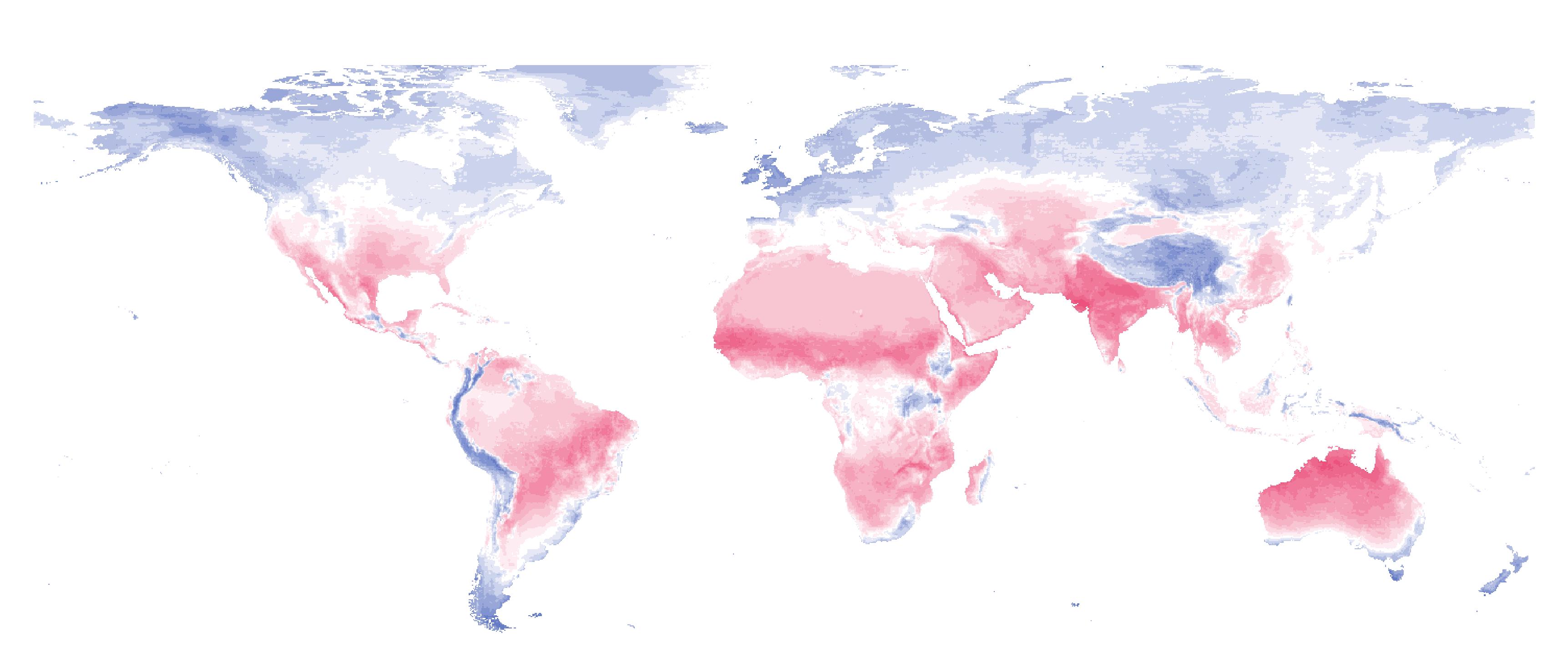
Our Climate Risk Indicators provide a robust, flexible framework to assess climate-related hazards across locations, assets, and sectors. We combine a wide range of quantitative and qualitative indicators to capture perils such as heat and heat stress, cold and cold stress, wildfire, precipitation extremes, and drought. Each peril is represented through multiple complementary indicators, reflecting different physical drivers and impacts.
To translate hazard information into actionable insight, we aggregate indicators into peril-level indices that are tailored to asset-specific and regional vulnerabilities, ranging from individual buildings and infrastructure to travel destinations and supply chains. The methodology integrates high-resolution observational datasets, state-of-the-art climate reanalyses, and proprietary modelling approaches.
Future climate conditions are captured using established scenarios (e.g. SSP2-4.5 and SSP5-8.5), with trends validated against global and regional climate models and observations. The result is a transparent, scalable basis for site-level hazard assessments, CSRD reporting, and forward-looking vulnerability and risk analyses.